Curves Meet Lines: Crafting Harmony at Home
Today we explore mixing circular motifs with linear patterns for balanced interiors, celebrating the dialogue between soft arcs and confident stripes. Expect practical methods, heartfelt stories, and adaptable ideas that make rooms feel calmer, clearer, and more personal. Whether you rent a studio or own a sprawling house, you will learn to choreograph shapes, scale, and light so every piece contributes to comfort, function, and delight.

The Quiet Science Behind Curves and Lines

Design feels like magic when it simply works, yet our perception follows reliable cues. Circles invite rest, guiding the eye in gentle loops, while lines provide direction, momentum, and order. When these forces support rather than compete, rooms gain rhythm and emotional ease. Understanding this dance helps you predict outcomes, reduce guesswork, and shape spaces that welcome people in and subtly encourage the behaviors you want most every day.

Finding anchors and circulation paths

Identify the pause points where eyes and feet naturally rest: the wall opposite the entry, the seat with the best view, the area near windows. Reserve these for statement pieces like a circular rug or arc floor lamp. Map walking routes with painters tape, keeping door swings clear. After paths feel effortless, add linear storage or floating shelves to frame movement, giving the room a readable backbone and graceful, uninterrupted flow.

Measuring scale, proportion, and sightlines

Scale protects harmony. A small round side table feels intentional beside a substantial, low-slung sofa, while an oversized drum pendant grounds tall ceilings without shouting. Stand where guests will and test sightlines using cardboard cutouts. Check how curved silhouettes overlap with vertical slatting or striped textiles. When proportions align across distances, patterns cooperate, sunlight behaves like decoration, and even modest rooms feel generous, confident, and ready for the quiet rituals of everyday living.

Taking inventory of existing patterns and textures

Before buying anything, list what already speaks. Perhaps there is a striped throw, fluted cabinet doors, a circular planter, or ribbed glass. Photograph each item, then group by material and motif to reveal dominant rhythms. Decide what remains hero, what steps back, and what exits. Editing first protects your budget and clarifies intent, ensuring new circular accents and linear finishes arrive as supportive collaborators rather than loud, competing strangers fighting for attention.

Colors, Materials, and Finishes that Connect Shapes
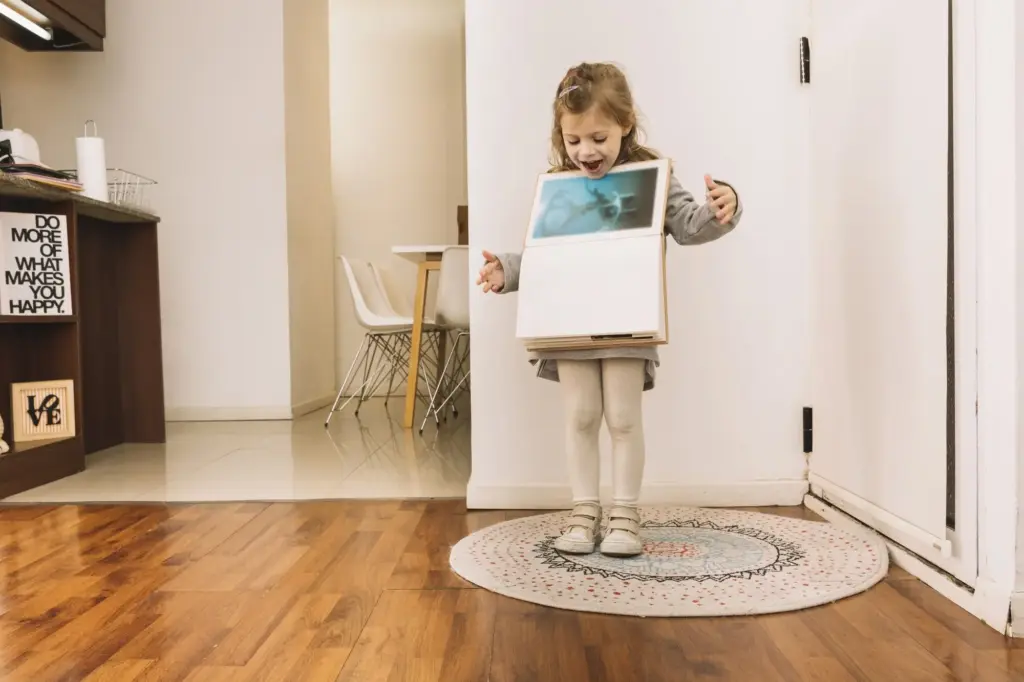
Color ties geometry together. Muted palettes let shapes lead gently; bolder hues energize lines while cushioning curves. Materials carry messages too: fluted wood whispers order, boucle wraps curves in comfort, and brushed brass traces light across edges. Choose finishes that echo form without copying it. With a few repeating notes across rooms, your home reads cohesive yet alive, like a favorite playlist balancing ballads and beats through changing moods and moments.

Palette strategies that soften or sharpen geometry
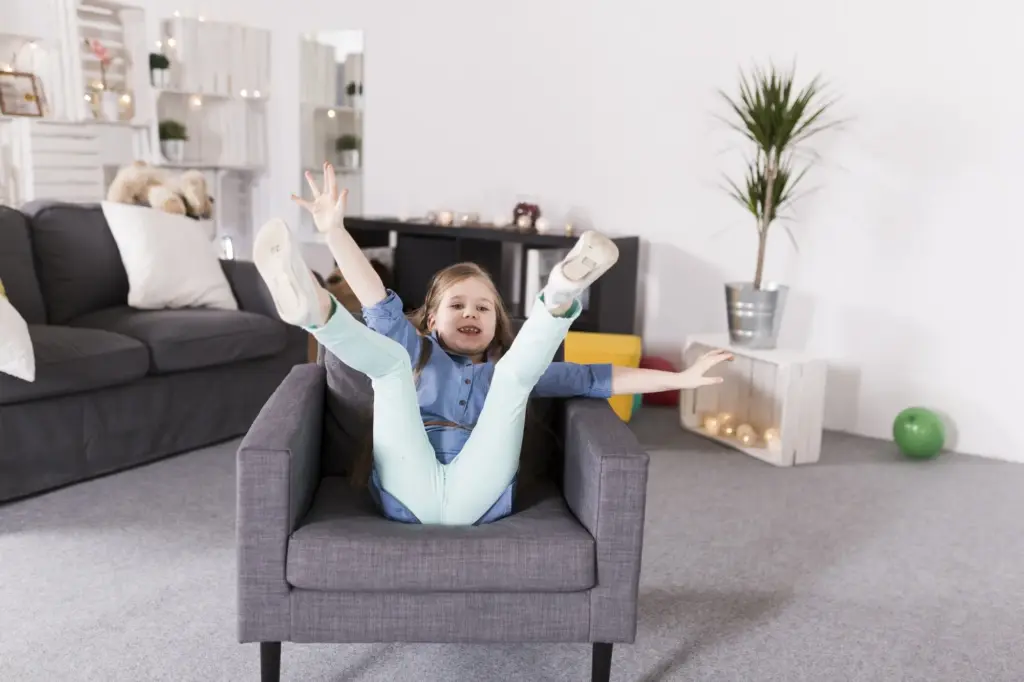
Try analogous colors to calm high-contrast stripes, allowing a circular coffee table to shine without drama. Prefer energy? Pair crisp black-and-white lines with a warm terracotta rug whose round medallion grounds intensity. Use mid-tone bridges between light and dark so transitions feel deliberate. Remember that sheen changes perception; matte surfaces mute edges while satin or gloss heightens them. Choose finishes with intention, ensuring every hue supports the conversation between curve and line.

Textiles and surfaces that mingle curves with stripes

Textiles are your playground. A scalloped edge on linen curtains softens vertical ticking. Herringbone floors stabilize rounded poufs, while ribbed velvet echoes structured paneling without becoming stiff. Consider tufting patterns as gentle circles within gridded upholstery. On walls, rounded beadboard caps meet straight battens elegantly. Combining textures this way feels layered, not busy, lending comfort underfoot and a subtle soundtrack of touch that complements the visual score written by geometry.

Techniques for Pairing Motifs with Confidence

Blending geometry becomes easy with a few dependable habits. Balance bold with quiet, large with small, smooth with textured. Place one curved focal point per zone, then frame it using supportive lines. Vary scale to avoid competition and create visual rhythm. Test pairings on mood boards or taped outlines before committing. These simple, repeatable moves protect creativity, reduce returns, and produce rooms that look curated yet relaxed, as if they simply grew that way.

Scaling rules and the 60–30–10 balance

Let one geometry lead around sixty percent of the space, a supportive counterpart carry thirty, and a final accent hold ten for sparkle. If linear casing and paneling dominate, choose a statement round mirror and a subtle circular rug. Flip the ratio in the next zone for variety. This framework prevents stalemates, guides shopping decisions, and keeps energy moving without overwhelming the senses or diluting the character you are thoughtfully assembling.

Rhythm through repetition and intentional interruptions

Repetition builds trust; interruption creates interest. Echo a curve three times at different scales, then break the pattern with a slender stripe to reawaken attention. Similarly, run vertical slats consistently, then pause for a round sconce where the eye can rest. The contrast feels orchestrated rather than random, like syncopation in music. This method welcomes personality while keeping the pulse steady, ensuring rooms breathe and conversations feel easy within them.

Layering focal points without noise

Choose a star, then choose a chorus. If a circular chandelier sings, let linear drapery and bench slats harmonize quietly. Keep nearby accessories low-contrast and textural, not shouty. Place secondary highlights across the room to avoid visual pileups. Photograph from different angles, checking reflections and shadows. When each level of attention has space, pieces feel generous rather than crowded, and the room gains that coveted quality of calm confidence and poised hospitality.

Real Rooms, Practical Moves

Ideas matter most when they survive busy mornings, kids, pets, and guests. These room-by-room suggestions translate geometry into daily ease and low-maintenance beauty. You will find quick wins, budget-friendly swaps, and weekend projects that reshape circulation, brighten corners, and anchor gatherings. Borrow one move or try several; each aims to blend round comfort with linear clarity, so your spaces feel welcoming today and still inspiring after countless breakfasts, movies, naps, and late-night conversations.

Living room: arcs, lines, and conversation

Float seating around a circular rug to encourage connection, then stabilize edges with a linear media console and picture ledge. Add a curved floor lamp to arc over the chat zone, plus striped cushions to keep energy alert. Keep traffic clear behind sofas, and repeat one metal finish twice. Invite friends over, test the arrangement, and adjust spacing until the room steers talk easily from laughter to quiet, contented listening.

Bedroom: serenity with circles and structure

Let a rounded headboard cradle the bed while vertical paneling elongates walls gently. Choose softly striped bedding to guide the gaze downward toward rest. Place round bedside tables to soften corners and a slim bench with linear legs for function. Use dimmable sconces with curved shades to introduce evening calm. Edit surfaces ruthlessly, add a tactile rug, and discover how shape, light, and silence conspire to deliver deeply restorative sleep nightly.

Kitchen and bath: durable geometry under pressure

Balance hardworking lines of cabinetry and tile with curved pulls, arched faucets, or bullnose edges. In the bath, a round mirror eases the grid, while ribbed glass protects privacy without heaviness. Choose slip-resistant, subtly patterned flooring that hides splashes gracefully. Repeat finishes for clarity, then add a small circular tray to corral essentials. These modest gestures keep chores smooth and spaces bright, even when mornings hurry and evenings demand quick, practical resets.

Avoiding Traps and Measuring Success

Even good intentions can crowd a room. When everything shouts, nothing connects. Learn to edit bravely, photograph progress, and gather feedback from trusted eyes. Replace three small purchases with one meaningful piece, then pause. Track how rooms feel at different times of day. If the space helps routines flow and calms frayed nerves, your composition works. Share your discoveries with us, and we will celebrate improvements, however small, together.

Clutter creep and how to dial it back

When surfaces fill, patterns lose clarity. Box up extras, then reintroduce only items that reinforce your chosen geometries. Keep collectibles grouped on a single linear shelf and let a round tray curate daily essentials. Use closed storage to quiet background noise. Assess again after a week; if you miss something, it earned its return. This cycle protects balance, making every curve and line feel purposeful, confident, and refreshingly easy to maintain.

When everything matches too much

Rooms can feel flat when every piece echoes the same geometry. Introduce a counter-shape with restraint: one circular sconce on a paneled wall, or a striped throw across a curved chaise. Keep color relationships friendly to prevent arguments. The goal is enlivened calm, not spectacle. If the new addition improves function and mood, keep it. If it merely decorates, reconsider. Let usefulness and feeling, not novelty, decide what truly belongs long-term.

Feedback loops: photos, friends, and community

Step back and document progress in natural light, then compare angles. Share images with a thoughtful friend or our community, asking how their eyes travel and where they pause. Invite suggestions, try small tweaks, and report results. Collective wisdom accelerates learning while honoring your taste. Subscribe for monthly challenges, post questions, and help others troubleshoot. Together, we refine the craft of pairing circles with lines until balance becomes second nature.

Palolivotelizunomori
Privacy Overview

This website uses cookies so that we can provide you with the best user experience possible. Cookie information is stored in your browser and performs functions such as recognising you when you return to our website and helping our team to understand which sections of the website you find most interesting and useful.